Electric Cars: Environmentally Friendly or Unfriendly?
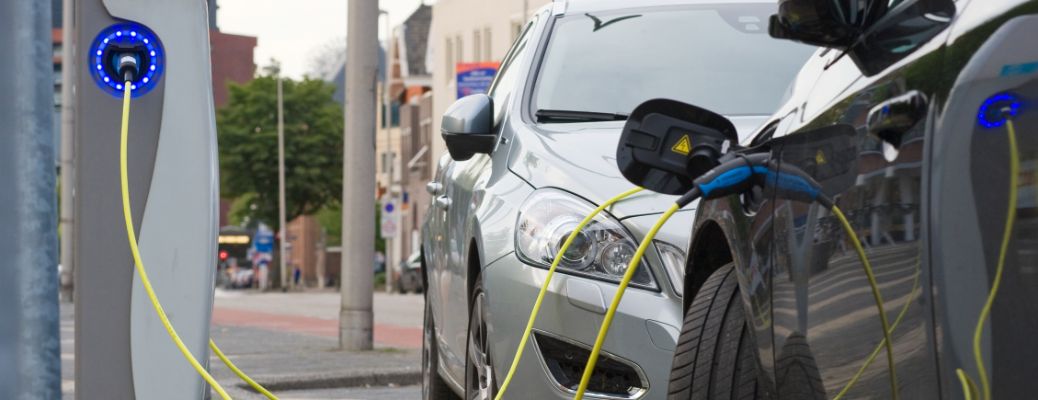
You may have heard conflicting statements about whether electric cars are more fuel-efficient than conventional cars. Adherents like to tout the obvious marketing qualities of these machines: the fact that they don’t burn limited, expensive fossil fuels and don’t emit lung-clenching smog into the atmosphere, burning out the ozone and frying our poor planet. Read this blog by Third Coast Auto Group in Austin, TX, to learn about electric cars and whether they are environmentally friendly or not.
Critics like to hold the contrarian card and point out that manufacturing demands and the fossil fuels used to generate electricity both contribute a fair amount of carbon pollution of their own to the skies, perhaps even more than that emitted by a traditional piston-powered car.
So, which is it- are electric cars more energy-efficient and better for the environment or not?

Learn the Answers to More Frequently Asked Automotive Questions
Sorry gas-lovers: electric cars really are better for the environment, and release fewer emissions than a conventional car. In fact, the lifetime emissions from an EV, which include those from mining and manufacturing as well as the electricity used to power it on the road, are half those of a conventional vehicle.
To understand why this is, let’s take a closer look at the two factors critics of electric cars generally fall back on: manufacturing emissions and powerplant emissions.
Read More: Fuel-Efficient Driving Tips for Every Day
1. Manufacturing Emissions
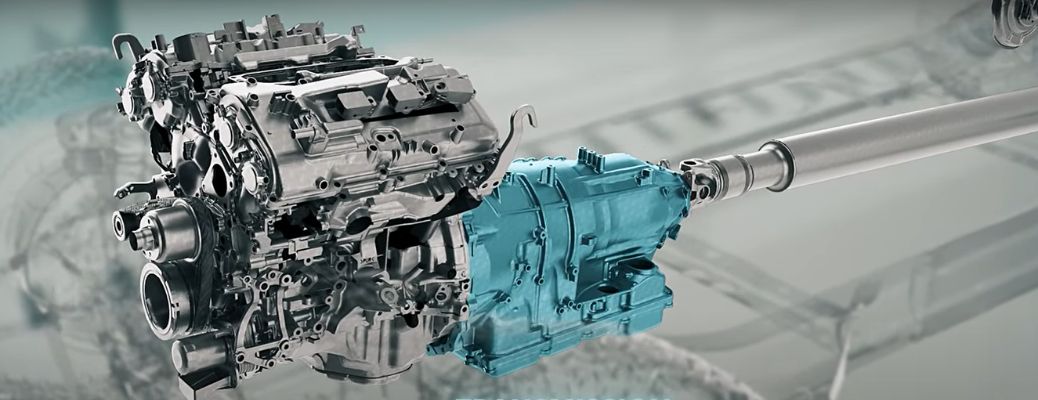
Emissions from a vehicle are not produced only when it’s out on the road. They’re also released during the manufacturing process of a vehicle and its necessary parts. This is true for both electric and conventional vehicles. Studies have shown that the carbon impact of manufacturing an EV is just under three times that of a piston car. Yes, that’s right- it’s quite a bit bigger. The extra emissions come from EV battery production, with the environmental impact factored all the way back to the mine.
However, as bad as this sounds, the emissions from manufacturing a car are still far less than the energy used to run it over its lifespan. By the time an EV is a few years old, the emissions cost of its production is already offset. A conventional car, on the other hand, will produce on average eight times the amount of emissions during its operating years as it did during its production. Additionally, we now know that EV batteries can be recycled or reused for grid energy storage.
2. Powerplant Emissions
Critics also point out that electricity for electric cars comes from power plants that burn fossil fuels, which emit their own carbon pollutants. The factor they overlook is that power stations are simply more efficient at making power than car engines. They emit far fewer emissions per unit of power than a traditional gas engine does. Additionally, more and more electricity is coming from renewable fuels. As energy production continues to move in this direction, EV vehicles will be responsible for less and less CO2/km.